Best Drone Battery and Charging Solutions for Photographers on the Go
By DJI Gear Portal — Affiliate Blog
Nothing ends a shoot faster than a dead battery with no way to recharge it. If you're shooting on location — a wedding, a real estate listing, a hike to a viewpoint — you don't have the luxury of waiting two hours for a single battery to top off through the drone itself. Your charging setup matters almost as much as how many batteries you own.
Why a Single Charger Isn't Enough
Most DJI drones ship with a simple charger that handles one battery at a time, plugged into the drone or a basic hub. That's fine for casual weekend flying. It falls apart fast if you're running back-to-back sessions — charging three batteries sequentially at roughly 60–90 minutes each means your gear is out of commission for most of a workday.
What to Look For
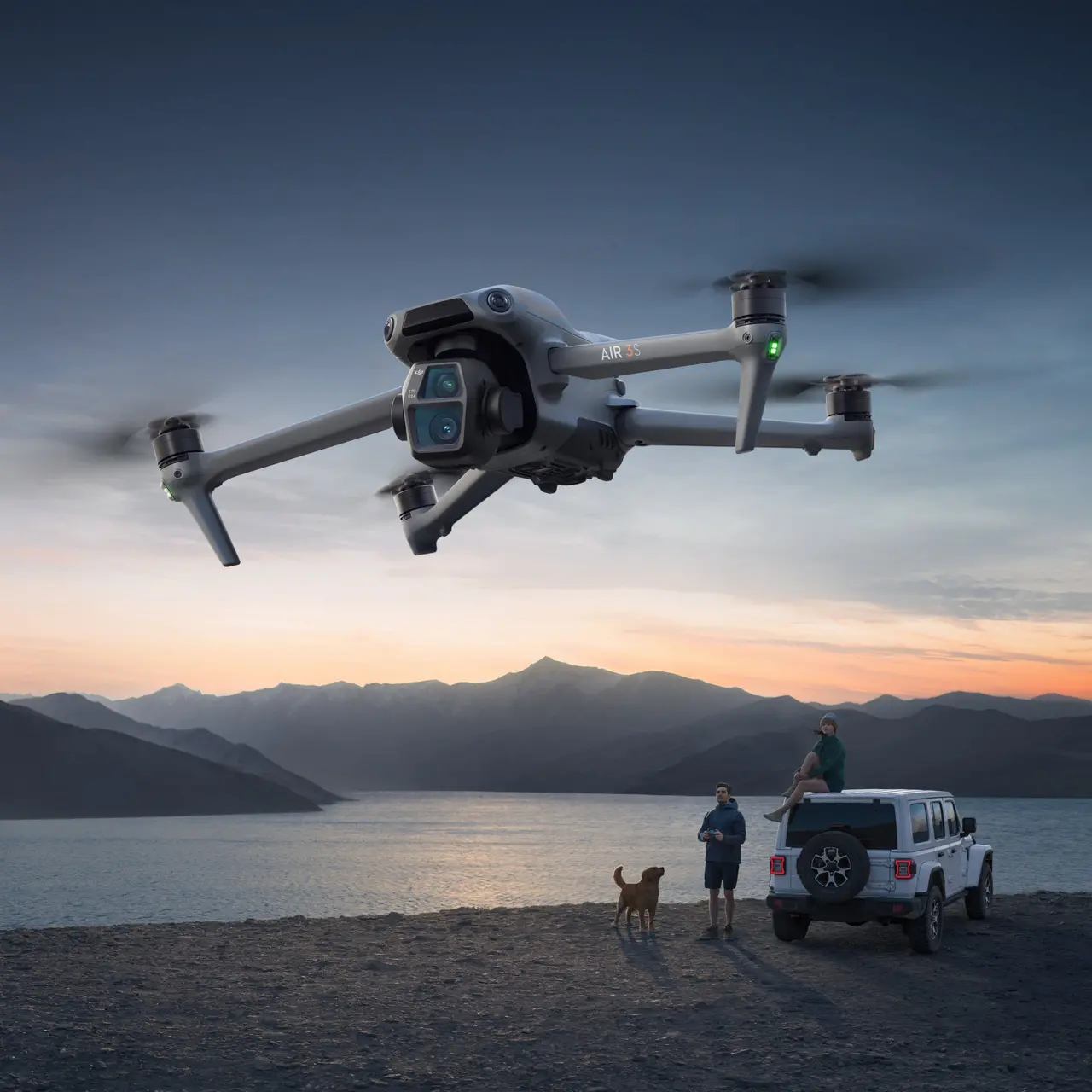
Multi-battery charging hubs. These charge 2–4 batteries simultaneously (or in a fast sequential order) rather than one at a time, cutting total downtime significantly. Most current DJI drones — Mini 5 Pro, Air 3S, Mavic 4 Pro — have a dedicated hub sold either standalone or in the Fly More Combo.
USB-C fast charging support. Newer DJI batteries and hubs support USB-C PD (Power Delivery) charging, which is significantly faster than older charging standards and lets you use the same power bank you'd use for a laptop.
Portable power stations. For all-day shoots away from an outlet — construction sites, remote real estate listings, rural agriculture surveys — a portable power station with AC output lets you run the official hub off-grid instead of hunting for a wall plug.
Battery-to-power-bank mode. Some DJI batteries can discharge back out through USB-C to charge your phone or controller in the field — worth checking if your specific battery model supports it before you rely on it.
Setups by Use Case
Casual / Weekend Flyer
The stock charging hub that comes with a Fly More Combo is genuinely enough. You're not burning through 3 batteries in one sitting often, so simultaneous fast charging isn't critical.
Shop DJI Mini 5 Pro →Content Creators & Travel Filmmakers
A dedicated multi-battery hub plus a USB-C PD power bank (20,000mAh+) covers most full-day shoots without needing a wall outlet at all.
Shop DJI Air 3S →Commercial / Field Work (Roofing, Agriculture, Construction)
A portable power station (300Wh or larger) is worth the investment if you're running multiple flights per day at remote sites with no power access — it lets your charging hub run continuously instead of waiting on limited power bank capacity.
Shop DJI Mavic 4 Pro →Battery Care Tips That Extend Charging Life
Avoid storing batteries at full charge for long periods — most DJI batteries have a storage mode that auto-discharges to a safer level after a set number of idle days.
Let batteries cool down before charging after a flight in hot weather — charging a hot battery immediately shortens its overall lifespan.
Rotate through all your batteries evenly rather than always reaching for the same one first, so wear is distributed across the set.
Bottom Line
If you fly casually, the stock charger is fine. If you're shooting professionally or spending full days in the field, a multi-battery hub paired with a USB-C power bank or portable power station is the difference between finishing your shoot list and packing up early because your gear ran out of juice.
On a budget and want to compare charging setups outside the DJI ecosystem? See how the Potensic ATOM series stacks up.
Related Guides
Best DJI Drones 2026: Complete Comparison Guide →
Best Beginner Drone Starter Kits 2026 →
Affiliate Disclosure: This post contains affiliate links. DJI Gear Portal may earn a commission if you purchase through them, at no extra cost to you.