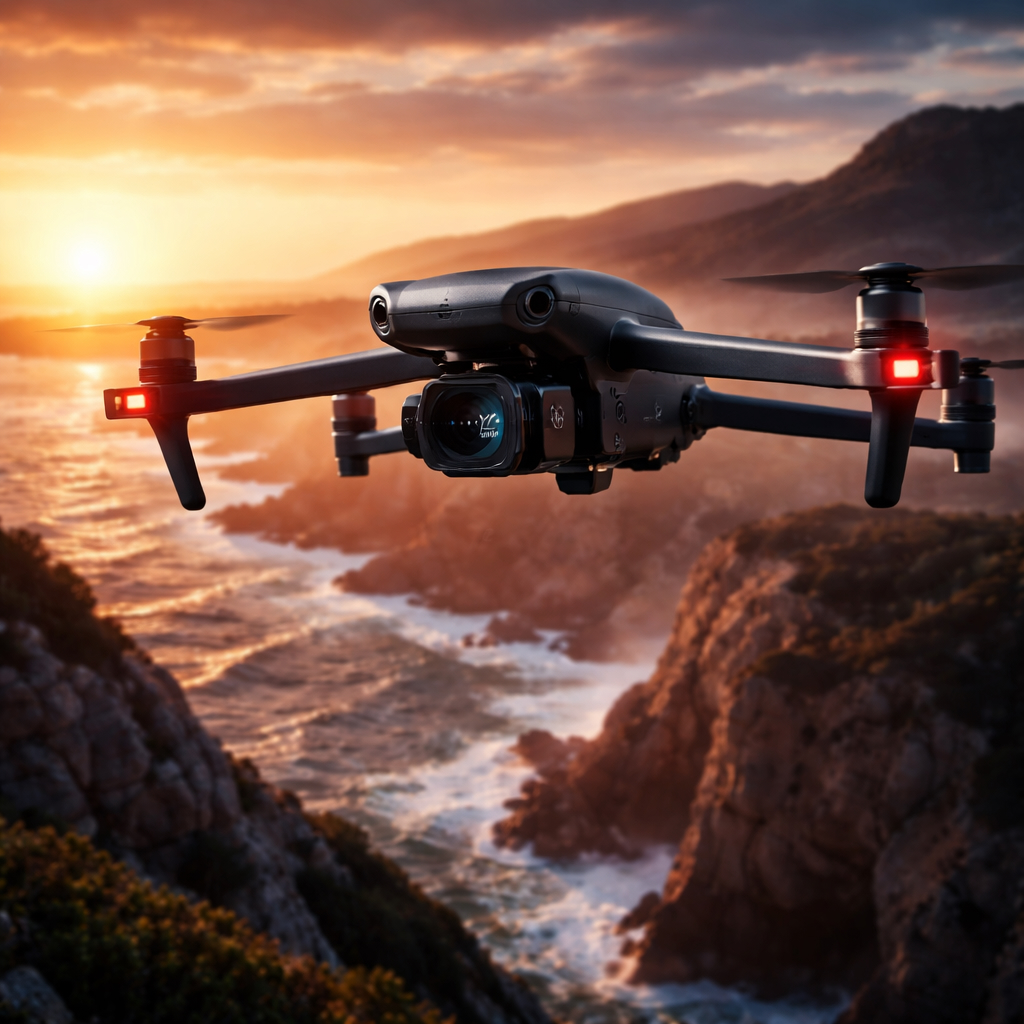
Not long ago, getting aerial shots for a film meant renting a helicopter and hiring a specialized crew for tens of thousands of dollars per day. Only big-budget productions could afford it. Today, a filmmaker with a DJI drone can capture stunning aerial cinematography for a fraction of that cost, opening up creative possibilities that were simply impossible before.
The impact of drones on film and video production has been revolutionary. What used to require expensive helicopter rentals, complex rigging systems, or elaborate crane setups can now be achieved with a drone that fits in a backpack. This democratization of aerial cinematography means that independent filmmakers, small production companies, and content creators can access shots that were once reserved for Hollywood blockbusters.
But it's not just about cost. Drones offer creative freedom that traditional methods can't match. They can fly low through tight spaces, swoop and dive with precision, and capture smooth, cinematic movements that would be difficult or impossible with a helicopter. Directors can now imagine shots they couldn't before because the technology simply makes it possible.
If you've watched films or television in recent years, you've definitely seen drone shots, even if you didn't realize it. The sweeping aerial reveal that starts high and descends to ground level. The dynamic follow shot that tracks a car racing through winding roads. The impossible crane shot that rises hundreds of feet into the air in one smooth motion. These have all become signature moves of modern cinematography, and drones make them achievable.
Drones excel at establishing shots that set the scene and give viewers context. They can reveal the scale of a location, show relationships between different parts of a scene, and create a sense of place that grounds the story. They can follow action through three-dimensional space in ways that feel dynamic and engaging.
Not every drone is suitable for professional film work. Cinematographers need specific features to match the quality standards of modern production. High-resolution cameras that can shoot in professional formats are essential. Many DJI cinema drones can record in 4K or even higher resolutions with flat color profiles that give colorists maximum flexibility in post-production.
Smooth, stable footage is non-negotiable. DJI drones use advanced gimbal stabilization systems that keep the camera perfectly level and smooth even when the drone is moving at high speed or fighting wind. The result is footage that looks like it was shot on expensive professional camera equipment, because essentially, it was.
Precision control matters when you're trying to capture a specific shot. Professional DJI drones offer multiple control modes, programmable flight paths, and the ability to execute complex camera moves repeatedly with consistency. This is crucial when you need multiple takes or when coordinating drone shots with ground-based action.
Major film studios now routinely use drones for aerial cinematography. Action sequences, establishing shots, and dramatic reveals often feature drone footage seamlessly integrated with traditional filming. But the real revolution is happening at every level of content creation.
Real estate agents use drones to create compelling property videos. Travel vloggers capture breathtaking aerial perspectives of their destinations. Wedding videographers add cinematic flair with aerial shots of venues and ceremonies. Corporate video producers use drones to showcase facilities and operations from impressive angles. The technology has become accessible to virtually anyone who needs quality video content.
DJI offers several drones specifically designed for film and video production. The DJI Inspire 3 represents the top tier of cinema drones, with interchangeable lenses, RAW recording capabilities, and the ability to carry professional cinema cameras. It's the choice for high-end commercial work and feature films where image quality cannot be compromised.
For many professional videographers, the DJI Mavic 4 Pro hits the sweet spot of portability and performance. Its advanced camera can shoot high-quality 4K footage with professional color profiles, and its compact size makes it practical for location shooting where you need to move quickly between setups.
The DJI Air 3S offers impressive video quality at a more accessible price point, making it perfect for content creators and smaller production companies who still need professional results. Its dual cameras provide versatility for different types of shots.
Getting great drone footage requires more than just flying the drone. Understanding cinematography principles helps you compose shots that look professional. Smooth, purposeful movements look better than quick, jerky pans. Starting or ending on a static frame gives editors clean points to cut to. Flying at the right altitude creates the desired sense of scale.
Many cinematographers use intelligent flight modes to achieve consistent, repeatable shots. Waypoint modes let you program complex camera moves that the drone executes automatically. Tracking modes keep the camera focused on a moving subject while the drone maintains a specified distance and angle. These tools help create shots that would be extremely difficult to execute manually.
Lighting and timing make a huge difference. The golden hours around sunrise and sunset provide beautiful, dramatic light for aerial shots. Understanding how shadows, colors, and contrast change throughout the day helps you plan flights when conditions will look best on camera.
Whether you're creating content for social media, producing corporate videos, or working on independent films, DJI has a drone that can take your production value to the next level. Explore options that match your creative vision and budget.
Discover DJI Inspire 3Professional drone pilots need to understand and follow aviation regulations. In most countries, commercial drone operation requires certification and adherence to specific rules about where and how you can fly. This includes maintaining line of sight, respecting altitude limits, avoiding restricted airspace, and not flying over people without proper authorization.
Safety is paramount. Professional pilots always assess conditions before flying, have backup plans if something goes wrong, and maintain their equipment properly. Insurance is also important for commercial work, protecting both the operator and the client.
The best use of drones in film production comes from integrating them thoughtfully with traditional filmmaking techniques. Drone shots work best when they serve the story rather than drawing attention to themselves. A well-placed aerial shot can convey emotion, provide important visual information, or create dramatic impact at just the right moment.
Directors and cinematographers now plan drone shots during pre-production, storyboarding aerial sequences alongside traditional camera work. On set, drone operators work as part of the camera team, coordinating their shots with other departments to ensure everything comes together seamlessly.
Becoming skilled at drone cinematography takes practice. Learning to fly smoothly and confidently is the foundation. Understanding camera settings, composition, and movement comes next. Finally, developing an eye for which shots will work best in editing completes the skill set.
Many filmmakers start by practicing simple shots and gradually building complexity. Online courses, tutorials, and practice with friends' projects help develop skills before taking on paid work. The investment in learning pays off quickly as you develop a portfolio of impressive aerial footage.
Drone technology continues to evolve rapidly. Cameras are getting better, flight times are increasing, and intelligent features are making complex shots easier to execute. We're seeing drones that can follow subjects autonomously, avoid obstacles in real-time, and execute cinematic moves that would challenge even experienced pilots.
As drones become more capable and accessible, they're not replacing traditional filmmaking methods but expanding the creative toolkit available to filmmakers at every level. The result is richer, more dynamic visual storytelling that audiences have come to expect and appreciate.
For anyone involved in film and video production today, understanding how to work with drones is increasingly essential. The technology has moved from novelty to necessity, and the creative possibilities it unlocks are limited only by imagination.